Project Hub
/Basic Analog & Power Electronics/Power Supplies & Voltage Regulators/ESP32 UPI QR Payment System
Intermediate
ESP32
₹1,500 – ₹5,000
3 – 6 Hours
Partial Kit
ESP32 UPI QR Payment System
This project implements a low-cost, embedded UPI payment solution using the ESP32, designed for unattended systems like vending machines and kiosks by dynamically generating QR codes and verifying transactions via Razorpay.
This project is sourced from another site, not written by us — this list is our best match of their components against what we stock, not a verified bill of materials. Always check the original blog (linked above) for the actual parts list before buying.
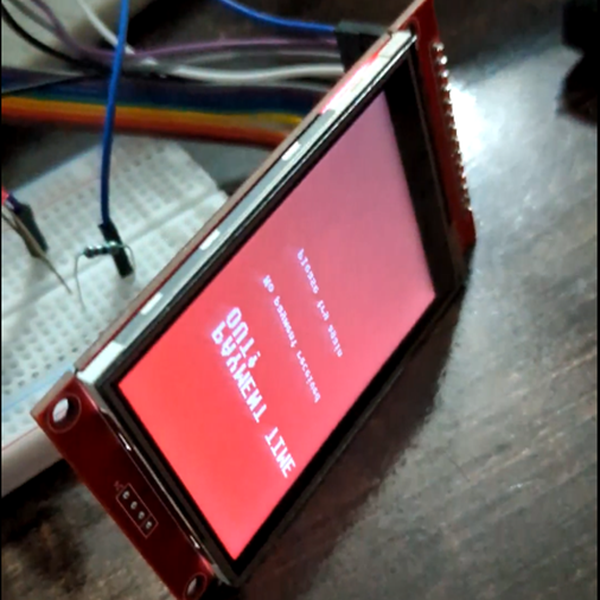
The ESP32 UPI QR Payment System operates by combining embedded systems with cloud-based financial APIs to process digital transactions on demand. At the heart of the system is the ESP32 development board, which is powered by a stable 5V power supply to ensure reliable operation of both the microcontroller and its peripherals. When a user initiates a payment request—such as selecting an item on a vending machine—the ESP32 communicates with a remote, PHP-based backend server over a local network or internet connection. This backend server interacts with the Razorpay API to generate a specific transaction order and dynamic UPI payment link. Once received by the ESP32, this data is used to render a visual QR code directly onto the 2.8-inch TFT display using the high-speed SPI (Serial Peripheral Interface). The user scans this QR code using any standard UPI-enabled mobile payment application to complete the transfer. Concurrently, the ESP32 polls the PHP backend server at regular intervals to check the transaction status via Razorpay. As soon as the backend confirms that the payment has been successfully captured, the ESP32 triggers the required physical action, such as dispensing an item or releasing water, completing the automated vending cycle.
Why Build This
Build a practical, low-cost digital payment terminal suitable for school entrepreneurial ventures, science fairs, or club-managed vending setups.
Gain hands-on experience integrating physical microcontroller hardware with modern web technologies and financial APIs.
Understand the underlying architecture of unattended smart retail systems like automated ticket kiosks and dispensing machines.
Real-World Application
Unattended systems such as sanitary pad vending machines, water dispensing systems, ticketing kiosks, and smart retail automation setups.
Skills You'll Learn
SPI communication protocol
microcontroller-to-server HTTP networking
API integration
embedded display rendering
asynchronous state polling
Safety Precautions
No specific precautions noted for this build — always follow general electronics safety practices.
Technology Tags
ESP32
TFT DISPLAY
ILI9341
UPI PAYMENT
QR CODE
RAZORPAY
PHP
EMBEDDED C
IOT
VENDING MACHINES
Frequently Asked Questions
You will need a test account or developer keys from Razorpay to simulate transactions, though sandbox modes allow testing without moving real money.
The ESP32 handles the local hardware display and polling, but secure financial APIs like Razorpay typically require a server environment with secret keys to handle authentication and webhooks safely.
The system is specifically designed around the 2.8-inch ILI9341 SPI display due to its resolution and library support for rendering QR codes quickly; changing the display would require modifying the display driver code.
Gallery
This page is part of Kitkraft's Project Hub — a curated collection of electronics & robotics projects gathered from the maker community to help students and hobbyists discover and learn to build. Kitkraft does not claim authorship of the original project, and makes no representation as to the accuracy, completeness or safety of third-party source material. The summary and "How It Works" explanation above are AI-generated, rewritten with reference to the original tutorial — not a reproduction of it. Full credit and a direct link to the original source are provided above. If you're the original creator and have a concern about how your work is represented here, please contact us and we'll address it promptly.
Kitkraft Project Hub — curated from the maker community, credited at the source.
 ESP32 WiFi+Bluetooth CP2102 Development Board
Rs. 520.00
 MB102 Adjustable Breadboard Power Supply Module (3.3V & 5V) for Arduino & Raspberry Pi
Rs. 139.00
 400 Points Mini Solderless Prototype PCB Breadboard High Quality
Rs. 89.00
 Jumper Wire 10 Pin Male To Male 20cm
Rs. 45.00
 Jumper Wire 10 Pin Male To Female 20cm
Rs. 45.00


