Project Hub/Robotics & Autonomous Systems/Motor Drivers & Motion Control/Fresh/Rotten Fruit Detection Using Raspberry Pi
Intermediate
RASPBERRY PI
₹5,000 – ₹15,000
3 – 6 Hours
Fresh/Rotten Fruit Detection Using Raspberry Pi
A smart AI camera system built using a Raspberry Pi and a TensorFlow machine learning model to detect and classify fresh and rotten fruits for automated sorting.
Originally published by Ashwini Sinha on ElectronicsForU
View original tutorial
How It Works
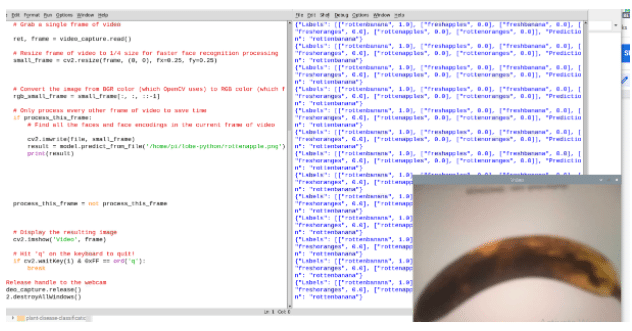
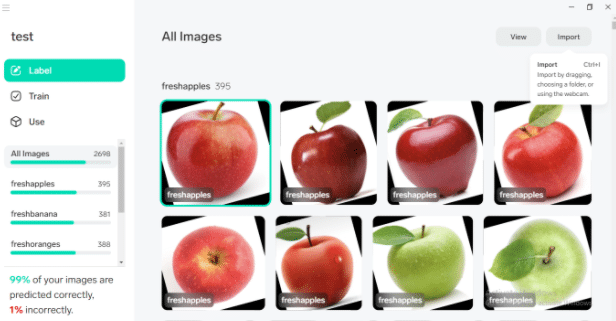
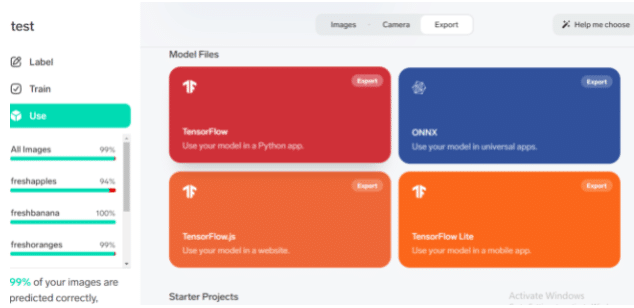
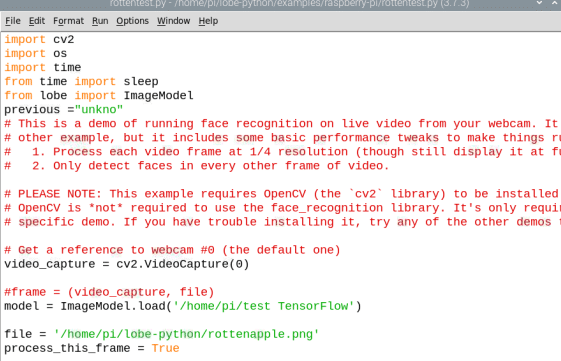
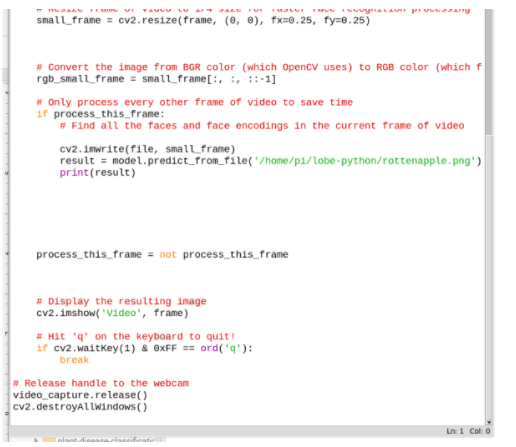
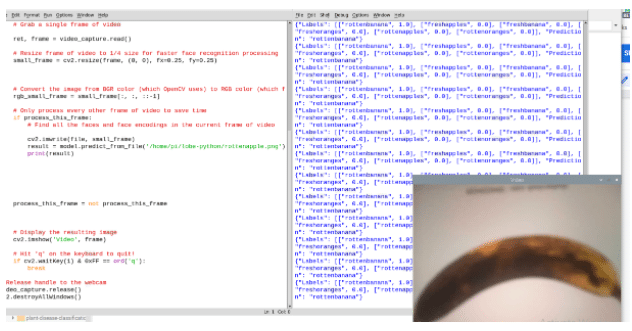
The Fresh/Rotten Fruit Detection system operates as an edge-based computer vision and machine learning pipeline powered by a Raspberry Pi 5 development board. The process begins when the connected camera or webcam captures real-time video frames of the fruit being presented to the system. These image frames are ingested into a Python environment, where OpenCV handles preliminary image processing, formatting, and scaling to match the input requirements of the machine learning model. A custom classifier trained via Google Teachable Machine or Lobe utilizes TensorFlow to evaluate the visual features of the fruit, comparing patterns, colors, and surface textures against trained classes representing fresh and rotten states. Once the model outputs a classification prediction with a defined confidence score, the Raspberry Pi interprets the result. If an optional sorting mechanism is integrated, the system can generate control signals to drive a servo motor or actuator, physically routing the fruit into the appropriate bin based on its quality classification. Throughout this cycle, the Raspberry Pi executes both the high-level neural network inference and the hardware-level GPIO actuation concurrently, creating a fully autonomous classification node.
Why Build This
Design and deploy an end-to-end edge AI computer vision pipeline using a modern single-board computer.
Implement practical automated quality control systems applicable to smart agricultural and industrial sorting lines.
Bridge high-level machine learning models with physical hardware actuators using Python and GPIO control.
Real-World Application
Automated quality inspection and sorting in food processing factories, agricultural packing houses, and agricultural automation.
Skills You'll Learn
Computer vision preprocessing
TensorFlow model inference
Python GPIO automation
Servo motor actuation
Image classification
Edge AI deployment
Safety Precautions
No specific precautions noted for this build — always follow general electronics safety practices.
Technology Tags
RASPBERRY PI
MACHINE LEARNING
TENSORFLOW
PYTHON
OPENCV
AI CAMERA
IMAGE PROCESSING
GOOGLE TEACHABLE MACHINE
LOBE
Ready to build this?
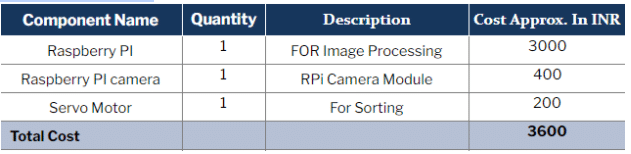
We stock the boards, sensors and modules this project needs. A full parts list is coming soon — for now, browse our DIY Kits & components or search for Raspberry Pi parts.
Frequently Asked Questions
Do I need an internet connection to run the fruit detection model?
No. Once the TensorFlow machine learning model is exported and downloaded onto your Raspberry Pi, all inference and classification happen locally on the device without needing an active internet connection.
Can I use any standard webcam with this project?
Yes, standard USB webcams or a Raspberry Pi Camera Module that is compatible with OpenCV and the Raspberry Pi 5 can be used to feed image frames into the system.
Is the servo motor strictly required to complete the project?
No, the servo motor is optional. You can build and test the core functionality entirely as a software-based classification system that displays the fresh or rotten results on your monitor.
Gallery
Kitkraft Project Hub — curated from the maker community, credited at the source.
PRJ-00439