Furnace High-Temperature Monitoring and Logging System
A high-temperature monitoring and logging system designed to measure furnace temperatures between 500°C and 1000°C using a K-type thermocouple, MAX6675 amplifier, and Raspberry Pi.
This project is sourced from another site, not written by us — this list is our best match of their components against what we stock, not a verified bill of materials. Always check the original blog (linked above) for the actual parts list before buying.
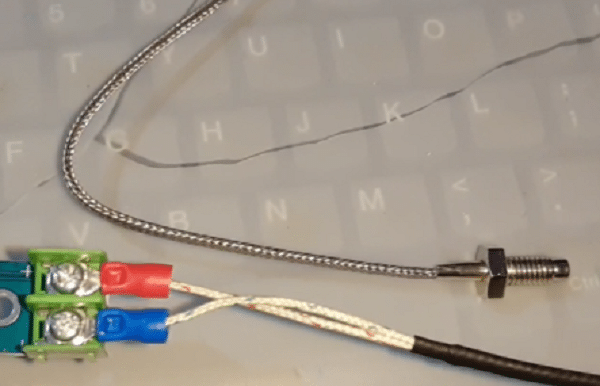
The Furnace High-Temperature Monitoring and Logging System operates by measuring extreme heat through a specialized physical sensor and translating those readings into digital data that a computer can process and store. At the core of the sensing mechanism is a K-type thermocouple wire, which generates a minute, temperature-dependent voltage differential across its dissimilar metal junctions when exposed to high heat. Because this raw analog voltage is extremely small and susceptible to environmental noise, it cannot be read directly by a standard microprocessor. Instead, the thermocouple connects to a MAX6675 SPI module. The MAX6675 acts as a dedicated analog amplifier and analog-to-digital converter, specifically designed to read thermocouple signals, perform cold-junction compensation to correct for ambient temperature variations, and digitize the measurement into a 12-bit format. The Raspberry Pi 5 interacts with this module using the Serial Peripheral Interface (SPI) communication protocol, requesting and receiving temperature data via dedicated clock and data lines. Running Raspbian OS and executing Python scripts utilizing the Adafruit MAX library, the system polls the module at regular intervals. Once acquired, the temperature values can be displayed, monitored in real-time within Python IDLE, or logged to a file for ongoing thermal analysis of industrial processes.
Why Build This
Design and deploy an industrial-grade thermal acquisition system suitable for monitoring high-temperature furnaces and boilers in engineering laboratories.
Implement digital communication protocols like SPI to interface specialized analog measurement hardware with a modern single-board computer.
Develop automated Python-based data logging routines to capture, record, and analyze thermal performance metrics between 500°C and 1000°C.
Real-World Application
Used in factories, industrial boilers, furnaces, hot metal works, and other high-temperature heating operations.
Skills You'll Learn
SPI communication protocol
thermocouple signal conditioning
analog-to-digital conversion
Python hardware interfacing
temperature data logging
cold-junction compensation
Safety Precautions
Ensure proper handling of high-temperature probes and keep electronics insulated and safely distanced from extreme heat sources.
Technology Tags
RASPBERRY PI
THERMOCOUPLE
MAX6675
SPI
PYTHON
TEMPERATURE MONITORING
SENSORS
Frequently Asked Questions
No. Standard semiconductor temperature sensors like the DS18B20 or DHT11 will quickly melt or fail at the extreme temperatures (500°C to 1000°C) encountered in furnace applications. A K-type thermocouple and MAX6675 amplifier are specifically engineered for this high-heat range.
The Raspberry Pi cannot read raw thermocouple voltages directly because the signals are extremely weak and require cold-junction compensation. The MAX6675 amplifies the signal, compensates for ambient temperature, and converts it into a digital SPI signal that the Pi can understand.
Yes. While the project platform specifies the Raspberry Pi 5, the underlying Raspbian OS, Python libraries, and SPI pinouts are fully compatible with the Raspberry Pi 4 as well.
Gallery
This page is part of Kitkraft's Project Hub — a curated collection of electronics & robotics projects gathered from the maker community to help students and hobbyists discover and learn to build. Kitkraft does not claim authorship of the original project, and makes no representation as to the accuracy, completeness or safety of third-party source material. The summary and "How It Works" explanation above are AI-generated, rewritten with reference to the original tutorial — not a reproduction of it. Full credit and a direct link to the original source are provided above. If you're the original creator and have a concern about how your work is represented here, please contact us and we'll address it promptly.
 Raspberry Pi 3 - Model B+ 1.4Ghz 64-bit quad-core Processor with 1 GB Ram (Original)
Rs. 9,810.00
 Jumper Wire 10 Pin Male To Male 20cm
Rs. 45.00
 400 Points Mini Solderless Prototype PCB Breadboard High Quality
Rs. 89.00
 MB102 Adjustable Breadboard Power Supply Module (3.3V & 5V) for Arduino & Raspberry Pi
Rs. 139.00
 Jumper Wire 10 Pin Male To Female 20cm
Rs. 45.00


