A DIY lightning protection device built using an Arduino Nano and an AS3935 lightning sensor that automatically isolates home appliances from the main power grid during nearby thunder-lightning storms.
This project is sourced from another site, not written by us — this list is our best match of their components against what we stock, not a verified bill of materials. Always check the original blog (linked above) for the actual parts list before buying.
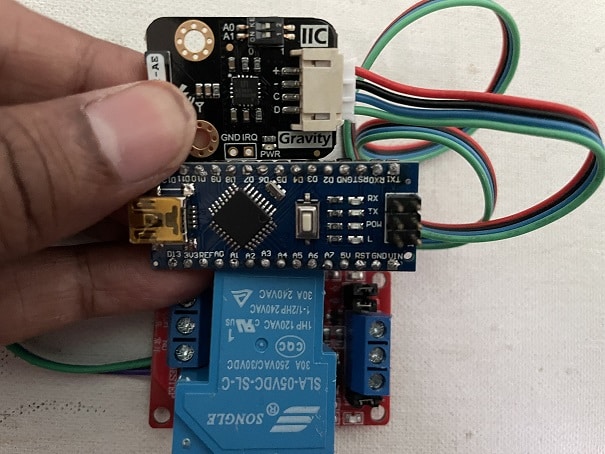
The Lightning Protection Device operates by continuously monitoring atmospheric electrostatic disturbances using the AS3935 lightning sensor. This specialized sensor is capable of detecting the electromagnetic signatures of lightning activity within a radius of up to 40 kilometers. The sensor communicates detected anomalies to the brain of the system, the Arduino Nano, which processes the incoming digital or I2C data packets. When the AS3935 registers a lightning event that crosses a pre-programmed threshold, the Arduino Nano immediately triggers a digital output signal. This output pin switches the 5V SPST relay module. In a practical deployment, the relay acts as an automated electronic switch capable of interrupting the power path or triggering a secondary heavy-duty contactor. By breaking the circuit during a thunderstorm, sensitive home appliances and electronics are effectively isolated from the main power grid, preventing damaging voltage spikes and induced power surges from traveling down the power lines and frying connected hardware. Once the storm passes and the sensor registers a return to normal atmospheric conditions, the system can reset or be manually toggled to restore grid power to the protected appliances.
Why Build This
Design and implement an automated hardware protection system that safeguards sensitive laboratory equipment and home appliances from damaging grid surges during electrical storms.
Gain hands-on experience integrating specialized environmental sensors with a microcontroller to make real-time, safety-critical switching decisions.
Apply embedded systems programming concepts to process interrupt-driven sensor data and control electromechanical power relays.
Real-World Application
Protecting home appliances, computer systems, and sensitive electronics from direct lightning strikes, induced power surges, and grid fluctuations during thunderstorms.
Skills You'll Learn
Environmental sensor interfacing
digital interrupt handling
microcontroller GPIO control
relay module interfacing
serial communication protocols
automated threshold detection
Safety Precautions
Exercise extreme caution when working with AC mains voltage. Ensure proper insulation and wiring separation when connecting relays to high-voltage lines to prevent electrical shock or fire hazards.
Technology Tags
ARDUINO
AS3935 SENSOR
RELAY
LIGHTNING DETECTION
SURGE PROTECTION
EMBEDDED SYSTEMS
Frequently Asked Questions
The AS3935 detects the electromagnetic pulses generated by lightning discharges in the atmosphere using an internal antenna and specialized signal-processing algorithms to filter out ambient man-made noise.
While the 5V relay module can act as a control switch, working with AC mains voltage presents severe electrocution and fire hazards; extreme caution, proper insulation, and adherence to electrical safety standards are mandatory.
The Arduino Nano acts as the central processing unit, reading data from the AS3935 sensor, evaluating the severity of the detected storm activity, and commanding the relay module to switch accordingly.
Gallery
This page is part of Kitkraft's Project Hub — a curated collection of electronics & robotics projects gathered from the maker community to help students and hobbyists discover and learn to build. Kitkraft does not claim authorship of the original project, and makes no representation as to the accuracy, completeness or safety of third-party source material. The summary and "How It Works" explanation above are AI-generated, rewritten with reference to the original tutorial — not a reproduction of it. Full credit and a direct link to the original source are provided above. If you're the original creator and have a concern about how your work is represented here, please contact us and we'll address it promptly.
 Arduino Nano C Type V3 ATMEGA328 with Soldered Headers
Rs. 608.00
 5V 1 Channel Relay Module
Rs. 87.00
 Jumper Wire 10 Pin Male To Male 20cm
Rs. 45.00
 400 Points Mini Solderless Prototype PCB Breadboard High Quality
Rs. 89.00
 MB102 Adjustable Breadboard Power Supply Module (3.3V & 5V) for Arduino & Raspberry Pi
Rs. 139.00
 Jumper Wire 10 Pin Male To Female 20cm
Rs. 45.00


