An IoT device that operates without a battery by simultaneously harvesting multiple ambient energy sources such as solar, vibration, and thermal energy.
This project is sourced from another site, not written by us — this list is our best match of their components against what we stock, not a verified bill of materials. Always check the original blog (linked above) for the actual parts list before buying.
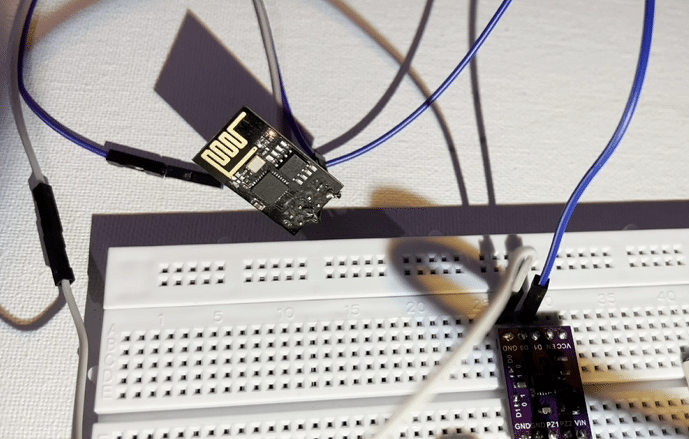
The Batteryless Energy Harvesting IoT Device operates by capturing ambient energy from the environment and converting it into electrical power without the use of traditional chemical batteries. The system relies on three distinct energy-harvesting transducers: solar cells to capture light, a piezoelectric transducer to capture mechanical vibrations, and a thermoelectric generator to capture temperature differentials. Because the power output from these ambient sources is typically fluctuating and intermittent, the harvested energy is routed into an LTC3588 energy harvesting module. This specialized power management IC integrates a low-loss full-bridge rectifier and a high-efficiency buck converter, which condition and regulate the erratic inputs into a stable output voltage. To bridge the gap between variable energy generation and the power demands of the microcontroller, a supercapacitor is used as an intermediate energy storage element, smoothing out sudden power drops. Once sufficient energy is accumulated and stored in the supercapacitor, the ESP8266 Module powers up to execute its telemetry and remote logging tasks. Operating as a standalone NodeMCU board, the ESP8266 utilizes its built-in Wi-Fi capabilities to transmit data before the system cycles back into harvesting and storage mode.
Why Build This
Learn how to design self-sustaining IoT sensor nodes that can operate indefinitely in remote outdoor or industrial environments without needing battery replacements.
Gain practical experience in managing power budgets, energy harvesting, and intermediate storage using supercapacitors for microcontrollers.
Explore alternative and renewable energy sources like solar, thermal, and kinetic energy beyond standard plug-in power supplies.
Real-World Application
Powering remote IoT sensors, wearable electronics, and low-maintenance smart devices without relying on traditional batteries.
Skills You'll Learn
Energy harvesting design
Power management integrated circuit utilization
Supercapacitor charging and discharging
Transducer integration
Microcontroller duty cycling
Safety Precautions
Flagged during content review — not in the original source
When working with energy harvesting modules and supercapacitors, ensure proper polarity connections to prevent component damage or short circuits, and handle thermoelectric generators carefully to avoid exposing them to excessive temperatures that could damage their internal semiconductor junctions.
Technology Tags
ENERGY HARVESTING
IOT
SOLAR ENERGY
PIEZOELECTRIC
THERMOELECTRIC
LTC3588
SUPERCAPACITOR
Frequently Asked Questions
Because it relies on multiple energy sources, it can still harvest energy from ambient vibrations and temperature differences even when solar cells are inactive, provided those secondary sources are present.
Supercapacitors have a much higher charge-discharge cycle life and can handle rapid bursts of current required by the Wi-Fi module during transmission without degrading like conventional batteries.
The project data indicates no specific software is listed, but you will need to program the ESP8266 to handle power-efficient sleep and transmission cycles to match your energy harvest rate.
Gallery
This page is part of Kitkraft's Project Hub — a curated collection of electronics & robotics projects gathered from the maker community to help students and hobbyists discover and learn to build. Kitkraft does not claim authorship of the original project, and makes no representation as to the accuracy, completeness or safety of third-party source material. The summary and "How It Works" explanation above are AI-generated, rewritten with reference to the original tutorial — not a reproduction of it. Full credit and a direct link to the original source are provided above. If you're the original creator and have a concern about how your work is represented here, please contact us and we'll address it promptly.
 NodeMCU ESP8266 WIFI development board based on CP2102
Rs. 660.00
 400 Points Mini Solderless Prototype PCB Breadboard High Quality
Rs. 89.00
 MB102 Adjustable Breadboard Power Supply Module (3.3V & 5V) for Arduino & Raspberry Pi
Rs. 139.00
 Jumper Wire 10 Pin Male To Male 20cm
Rs. 45.00
 Jumper Wire 10 Pin Male To Female 20cm
Rs. 45.00


